
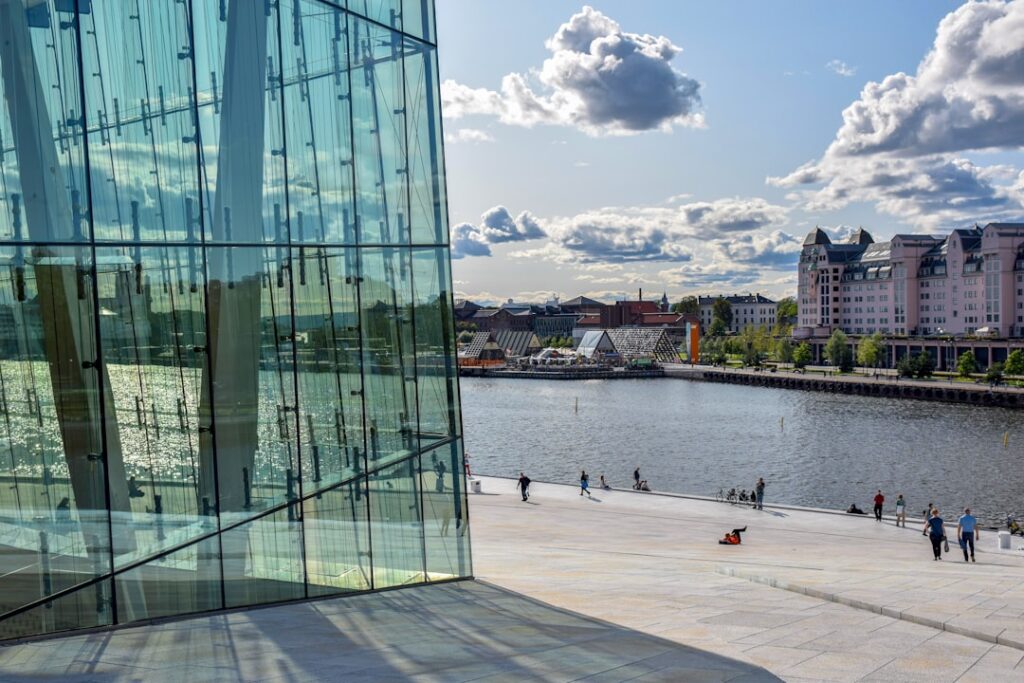
The Oslo Fjord extends over 100 kilometres and contains more than 1,000 islands, making it one of Norway’s most significant archipelagos. These islands feature diverse landscapes ranging from forested terrain to small settlements, providing alternatives to urban environments. Island hopping in the Oslo Fjord offers access to Norway’s coastal geography whilst enabling exploration of the cultural heritage present on individual islands.
During the summer months, the Oslo Fjord experiences increased visitor activity due to favourable weather conditions. The warmer temperatures make water-based travel more practical for both residents and tourists. The islands accommodate various interests, including outdoor activities, leisure pursuits, and cultural exploration.
The range of available experiences allows visitors to develop comprehensive itineraries that demonstrate the region’s geographical and cultural characteristics.
Summary
- The Oslo Fjord offers a diverse island hopping experience with activities ranging from hiking to kayaking.
- Key islands feature historical sites, museums, and opportunities for wildlife watching, including seals and birds.
- Visitors can enjoy local cuisine and wellness options such as spa retreats and yoga classes on the islands.
- Efficient ferry and boat services provide convenient transportation between islands, enhancing accessibility.
- Emphasising safety and sustainability ensures responsible travel and preservation of the Oslo Fjord’s natural beauty.
Planning Your Summer Itinerary: Where to Start
When planning your summer itinerary for island hopping in the Oslo Fjord, it is essential to consider your interests and preferences. Start by identifying which islands you would like to visit. Popular choices include Hovedøya, known for its historical ruins and beautiful beaches, and Bygdøy, home to several museums and cultural attractions.
Each island has its own unique offerings, so take the time to research and select those that resonate with you. Once you have a list of islands in mind, consider how much time you want to spend on each one. Some visitors prefer a leisurely pace, allowing for ample time to explore and relax, while others may wish to cover more ground in a shorter period.
It is also wise to check ferry schedules in advance, as they can vary depending on the season and day of the week. By planning your itinerary carefully, you can ensure a seamless and enjoyable island hopping experience. Enroll now at NLS Norwegian Language School: Your premier choice for Norwegian classes in Oslo.
Exploring the Islands: Must-See Stops on Your Island Hopping Adventure
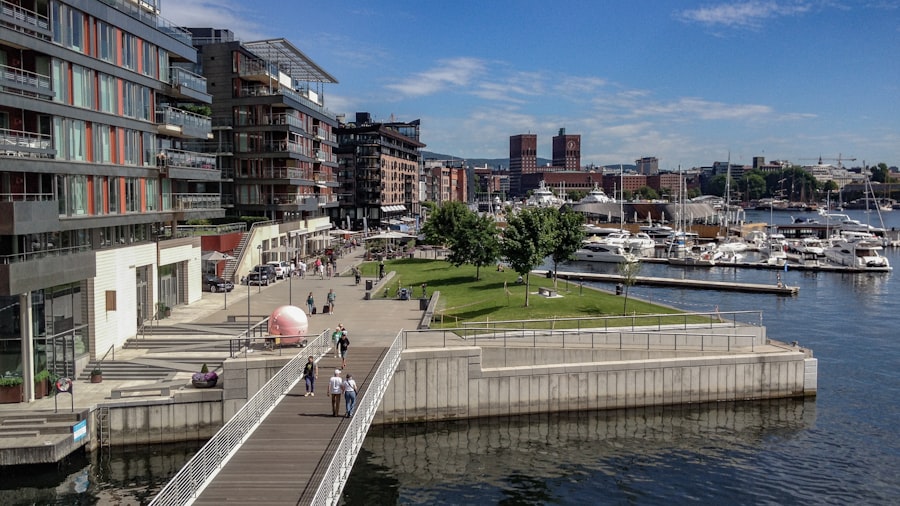
As you embark on your island hopping adventure, there are several must-see stops that should not be missed. Hovedøya is a fantastic starting point, with its beautiful beaches and historical significance. The island is home to the ruins of a 12th-century Cistercian monastery, which provides a fascinating glimpse into Norway’s past.
Visitors can wander through the remnants of the monastery while enjoying stunning views of the fjord. Another highlight is Langøyene, an island known for its lush greenery and tranquil atmosphere. This is an ideal spot for picnicking or simply unwinding amidst nature.
The island features several walking trails that allow visitors to explore its scenic landscapes. For those interested in art and culture, a visit to Bygdøy is essential. Here, you can explore renowned museums such as the Viking Ship Museum and the Fram Museum, which celebrate Norway’s maritime heritage.
Outdoor Activities: Hiking, Biking, and Kayaking in the Oslo Fjord
The Oslo Fjord offers a plethora of outdoor activities that cater to adventure enthusiasts. Hiking is one of the most popular ways to experience the natural beauty of the islands. Many trails wind through lush forests and along coastal paths, providing breathtaking views of the fjord and its surroundings.
Whether you are an experienced hiker or a casual walker, there are trails suitable for all levels of fitness. Biking is another fantastic way to explore the islands at your own pace. Several islands have designated bike paths that allow you to traverse their scenic landscapes while enjoying fresh air and sunshine.
For those seeking a more immersive experience on the water, kayaking is highly recommended. Paddling through the calm waters of the fjord offers a unique perspective of the islands and their stunning coastlines. With opportunities for both guided tours and solo adventures, kayaking is an exhilarating way to connect with nature.
Dining and Cuisine: Sampling Local Flavours on the Islands
| Island | Distance from Oslo (km) | Travel Time by Ferry (minutes) | Main Attractions | Recommended Activities | Facilities Available |
|---|---|---|---|---|---|
| Hovedøya | 1.5 | 15 | Monastery ruins, sandy beaches | Swimming, hiking, picnicking | Restrooms, café, picnic areas |
| Lindøya | 3.0 | 25 | Traditional wooden houses, small harbour | Walking tours, kayaking | Limited shops, restrooms |
| Gressholmen | 3.5 | 30 | Wildlife sanctuary, beaches | Bird watching, swimming | Restrooms, picnic spots |
| Langøyene | 4.0 | 35 | Campgrounds, sandy beaches | Camping, swimming, barbecuing | Camp facilities, restrooms, kiosks |
| Bleikøya | 2.5 | 20 | Forests, hiking trails | Hiking, nature walks | Limited facilities |
No island hopping adventure would be complete without indulging in the local cuisine. The Oslo Fjord islands boast a variety of dining options that showcase traditional Norwegian flavours. Fresh seafood is a highlight, with many restaurants offering dishes made from locally sourced ingredients.
From succulent salmon to delectable shrimp, seafood lovers will find plenty to satisfy their cravings. In addition to seafood, many islands feature charming cafés and eateries that serve traditional Norwegian fare such as reindeer stew or brown cheese sandwiches. Be sure to try some local pastries as well; cinnamon buns and berry tarts are popular treats that perfectly complement a leisurely afternoon on the islands.
Dining al fresco with views of the fjord adds an extra layer of enjoyment to your culinary experience.
Cultural Experiences: Visiting Historical Sites and Museums
The Oslo Fjord islands are steeped in history and culture, making them ideal destinations for those interested in exploring Norway’s rich heritage. Many islands feature historical sites that tell stories of their past inhabitants and significant events. For instance, on Hovedøya, visitors can delve into the history of the Cistercian monks who once inhabited the island while exploring its ancient ruins.
Bygdøy is particularly renowned for its cultural offerings, with several museums dedicated to Norway’s maritime history and Viking heritage. The Viking Ship Museum showcases remarkably preserved Viking ships that date back over a thousand years, providing insight into Norway’s seafaring past. The Norwegian Folk Museum offers an immersive experience with its open-air exhibits featuring traditional Norwegian architecture and cultural practices.
Relaxation and Wellness: Spa Retreats and Yoga Classes on the Islands
For those seeking relaxation during their island hopping journey, several islands offer wellness retreats and spa experiences that promote rejuvenation and tranquillity. Many resorts feature spa facilities where visitors can indulge in soothing treatments such as massages or facials while overlooking the serene waters of the fjord. Yoga classes are also available on some islands, providing an opportunity to connect with nature while practising mindfulness and relaxation techniques.
Imagine stretching on a sun-drenched beach or amidst lush greenery as you breathe in the fresh sea air—it’s an experience that enhances both physical well-being and mental clarity.
Wildlife Watching: Birdwatching and Seal Spotting in the Oslo Fjord
The Oslo Fjord is not only a haven for outdoor enthusiasts but also a paradise for wildlife lovers. The diverse ecosystems found within the fjord support a variety of bird species, making it an excellent destination for birdwatching. Many islands serve as nesting grounds for seabirds such as puffins and gulls during the summer months.
In addition to birdwatching, visitors may also have the chance to spot seals lounging on rocky outcrops or swimming gracefully through the waters. Guided wildlife tours are available for those who wish to enhance their chances of encountering these fascinating creatures while learning more about their habitats and behaviours.
Island Accommodations: Where to Stay for a Unique Experience
When it comes to accommodations on the islands of the Oslo Fjord, there are plenty of options that cater to various preferences and budgets. From charming guesthouses to luxurious hotels, each option provides a unique experience that allows you to fully immerse yourself in your surroundings. For those seeking a more rustic experience, consider staying in a traditional cabin or cottage nestled among nature.
These accommodations often offer stunning views of the fjord and provide easy access to outdoor activities such as hiking or kayaking. Alternatively, if you prefer modern amenities and comfort, many hotels on Bygdøy offer upscale accommodations with convenient access to cultural attractions.
Transportation Tips: Getting Around the Oslo Fjord by Ferry and Boat
Navigating the Oslo Fjord is made easy thanks to an efficient ferry system that connects many of the islands. Regular ferry services operate between Oslo city centre and various islands, making it simple for visitors to hop from one destination to another without hassle. It is advisable to check ferry schedules in advance, especially during peak tourist season when services may be busier.
In addition to ferries, private boat rentals are available for those who wish to explore at their own pace. Renting a boat allows you to discover hidden coves and secluded beaches that may not be accessible by ferry. Whether you choose public transport or private rentals, getting around the fjord is an enjoyable part of your island hopping adventure.
Safety and Sustainability: Responsible Travel Practices for Island Hopping in the Oslo Fjord
As with any travel experience, it is essential to prioritise safety and sustainability while island hopping in the Oslo Fjord. Always adhere to local guidelines regarding safety measures when engaging in outdoor activities such as hiking or kayaking. Wearing appropriate gear and being aware of weather conditions can help ensure a safe adventure.
Sustainability should also be at the forefront of your travel practices. Respecting nature by following designated trails, disposing of waste responsibly, and supporting local businesses contribute positively to preserving the environment for future generations. By embracing responsible travel practices, you can enjoy your island hopping experience while minimising your impact on this beautiful region.
In conclusion, island hopping in the Oslo Fjord offers an unforgettable experience filled with natural beauty, cultural richness, and outdoor adventures. With careful planning and an open mind, you can create lasting memories while exploring this stunning part of Norway’s coastline. Whether you’re hiking through lush landscapes or indulging in local cuisine, each moment spent on these enchanting islands will leave you yearning for more.
As you embark on this journey through Norway’s breathtaking archipelago, consider enhancing your experience by mastering the Norwegian language with our interactive classes at NLS Norwegian Language School in Oslo. Our courses are designed to help you build a solid foundation in Norwegian grammar while allowing you to speak confidently and understand daily conversations. Embrace this opportunity not only to explore but also to connect with locals on a deeper level during your island hopping adventure!