
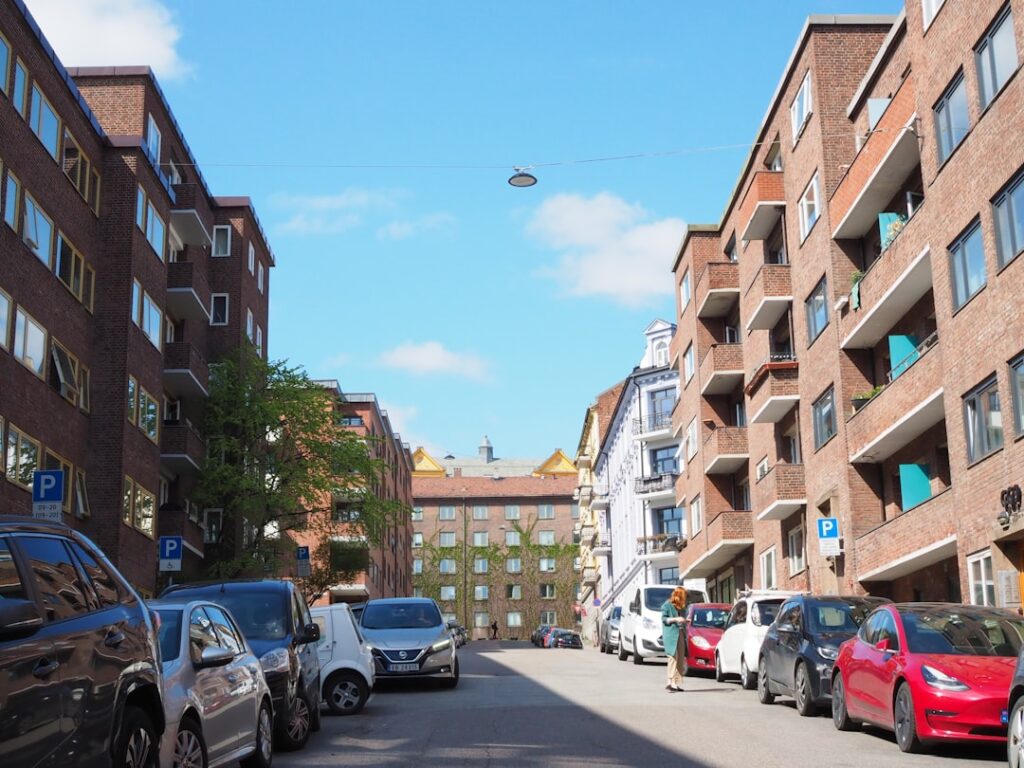
The Akerselva River, a crucial waterway of Oslo, flows through the centre of Norway’s capital, connecting the city’s historical, cultural and natural elements. Measuring approximately 8.2 kilometres, the river runs from Maridalsvannet lake to the Oslofjord, providing insight into the city’s development. As one of Oslo’s most valued natural features, the Akerselva functions both as a scenic environment for walks and as evidence of the city’s industrial heritage and its transformation into a modern urban setting.
The riverbanks feature verdant vegetation, parks and historical sites, attracting residents and visitors. The Akerselva River offers both a tranquil escape from city life and an opportunity to explore Oslo’s heritage. Its importance transcends aesthetic value; it symbolises Oslo’s relationship with nature and its dedication to environmental conservation within an urban context.
Enroll now at NLS Norwegian Language School: Your premier choice for Norwegian classes in Oslo.
Summary
- The Akerselva River begins at Maridalsvannet and flows through Oslo, showcasing stunning natural scenery.
- It holds significant historical and industrial heritage, reflecting Oslo’s development over time.
- The riverbanks are rich in wildlife and offer a blend of nature and urban life.
- Numerous waterfalls, bridges, and cultural landmarks make the river a vibrant area for exploration.
- The Akerselva River exemplifies the successful urban transformation integrating nature, history, and modern city life.
The Starting Point: Maridalsvannet
Maridalsvannet, the source of the Akerselva River, is a stunning lake nestled in the hills just north of Oslo. This serene body of water is not only the largest lake in the municipality but also serves as a crucial reservoir for the city’s drinking water. Surrounded by lush forests and rolling hills, Maridalsvannet offers a tranquil escape from the bustling city life.
The area is popular among outdoor enthusiasts, with opportunities for hiking, cycling, and birdwatching, making it an ideal starting point for those looking to explore the Akerselva River. As one stands at the edge of Maridalsvannet, it is easy to appreciate the natural beauty that surrounds this pristine lake. The reflections of trees and sky on its surface create a picturesque scene that captivates visitors year-round.
The gentle sound of water lapping against the shore adds to the serene atmosphere, inviting one to pause and take in the moment. From this idyllic setting, the Akerselva begins its journey southward, carving its path through the landscape and connecting various neighbourhoods along its route.
The Scenic Beauty of the River

As the Akerselva River flows southward from Maridalsvannet, it reveals an ever-changing landscape that enchants all who venture along its banks. The river’s course is characterised by gentle curves and meandering paths, flanked by verdant parks and charming residential areas. Each bend in the river offers new vistas, showcasing the beauty of Oslo’s natural surroundings.
The interplay of light and shadow on the water creates a dynamic visual experience that changes with the seasons, from vibrant autumn foliage to the soft hues of spring blossoms. Walking along the riverbank, one can encounter a variety of scenic spots that invite contemplation and relaxation. The sound of flowing water provides a soothing soundtrack as visitors pause to admire the views or enjoy a picnic on the grassy banks.
The presence of well-maintained pathways encourages exploration, allowing individuals to immerse themselves in the beauty of their surroundings. Whether one is seeking solitude or companionship, the scenic beauty of the Akerselva River offers an inviting atmosphere for all.
Historical Significance of the Akerselva River
The Akerselva River holds a significant place in Oslo’s history, serving as a lifeline for the city since its early days. Historically, it was an essential resource for transportation and trade, facilitating commerce between various settlements along its banks. The river’s waters powered numerous mills and factories during Norway’s industrialisation in the 19th century, contributing to Oslo’s growth as an economic hub.
This historical significance is evident in the remnants of old industrial buildings that still stand along the river today. As one walks along the river, it becomes clear that each section tells a story of Oslo’s past. From the early wooden structures that lined its banks to the more robust brick buildings that emerged during industrialisation, these architectural remnants serve as a testament to the city’s evolution over time.
The Akerselva River not only shaped Oslo’s physical landscape but also influenced its cultural identity, fostering a sense of community among those who lived and worked along its shores.
The Industrial Heritage Along the River
| Section | Distance (km) | Estimated Time (hours) | Key Features | Difficulty |
|---|---|---|---|---|
| Maridalsvannet to Kjelsås | 5.0 | 1.5 | Lake views, forest trails, birdwatching | Easy |
| Kjelsås to Nydalen | 4.0 | 1.25 | Urban parks, waterfalls, historic mills | Moderate |
| Nydalen to Grünerløkka | 3.5 | 1.0 | Street art, cafes, riverside paths | Easy |
| Grünerløkka to City Centre | 2.5 | 0.75 | City landmarks, bridges, cultural sites | Easy |
| Total | 15.0 | 4.5 | Varied natural and urban landscapes | Moderate |
The industrial heritage of the Akerselva River is a fascinating aspect of Oslo’s history that continues to shape its character today. As factories and mills sprang up along its banks during the 19th century, they transformed the river into a bustling centre of activity. The remnants of this industrial past can still be seen in various structures that have been repurposed for modern use while retaining their historical charm.
These buildings now house cafes, galleries, and offices, creating a unique blend of old and new. Exploring this industrial heritage offers insight into Oslo’s development and resilience. Many of these sites have been preserved as part of urban renewal projects that celebrate their historical significance while adapting them for contemporary use.
This juxtaposition of history and modernity creates an intriguing atmosphere along the river, where visitors can appreciate both the architectural beauty of bygone eras and the vibrancy of current cultural life.
Wildlife and Nature Along the Riverbanks
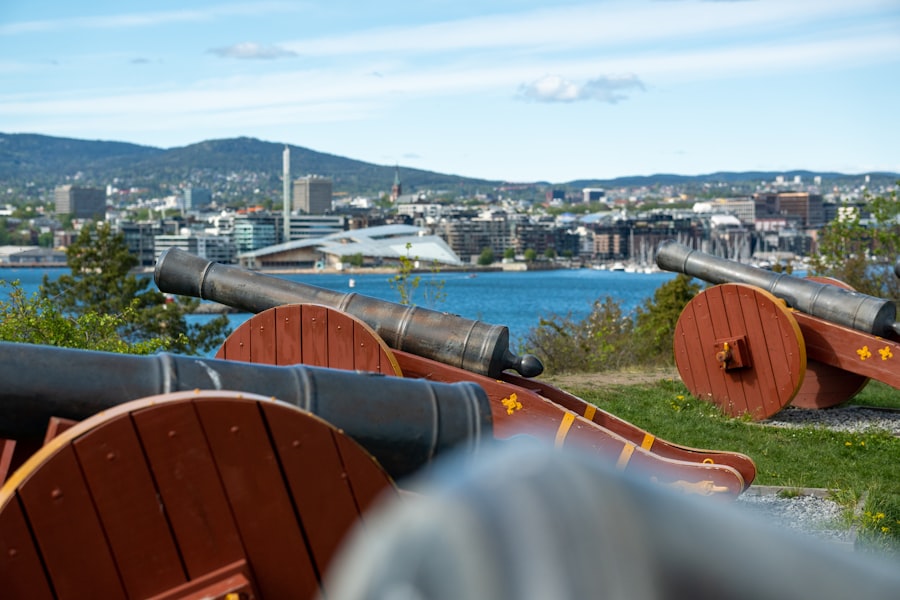
The Akerselva River is not only a hub of human activity but also a sanctuary for wildlife and natural beauty. As one strolls along its banks, it is common to encounter various species of birds, fish, and other wildlife that call this ecosystem home. The river’s diverse habitats support an array of flora and fauna, making it an ideal location for nature enthusiasts and wildlife observers alike.
The lush vegetation that lines the riverbanks provides shelter for many creatures while contributing to the overall health of the ecosystem. In spring and summer, wildflowers bloom along the pathways, adding splashes of colour to the landscape. The presence of trees offers shade and respite from the sun, creating inviting spaces for picnics or quiet reflection.
This harmonious coexistence between nature and urban life exemplifies Oslo’s commitment to preserving green spaces within its cityscape.
Art and Culture Along the Akerselva River
Art and culture thrive along the banks of the Akerselva River, enriching the experience for those who explore its pathways. Numerous art installations and sculptures can be found dotting the landscape, showcasing local talent and creativity. These artistic expressions serve as both landmarks and conversation starters, inviting visitors to engage with their surroundings in new ways.
Cultural events often take place in this vibrant area, further enhancing its appeal as a destination for both locals and tourists. From outdoor concerts to art exhibitions held in repurposed industrial spaces, there is always something happening along the river. This dynamic cultural scene fosters a sense of community while celebrating Oslo’s artistic heritage, making it an integral part of any exploration along the Akerselva.
Exploring the Waterfalls and Bridges
One of the most enchanting features of the Akerselva River is its series of waterfalls and bridges that punctuate its course. These natural cascades create a soothing soundscape while adding visual interest to the landscape. Each waterfall has its own unique character, ranging from gentle trickles to more dramatic drops that captivate onlookers.
The bridges that span the river are equally noteworthy; they connect various neighbourhoods while offering stunning views of both the waterway and surrounding scenery. Some bridges are adorned with intricate designs or historical significance, serving as reminders of Oslo’s architectural heritage. Exploring these waterfalls and bridges provides an opportunity to appreciate both nature’s beauty and human ingenuity in creating functional yet aesthetically pleasing structures.
The Urban Transformation Along the River
In recent years, Oslo has undergone significant urban transformation along the Akerselva River as part of efforts to revitalise its waterfront areas. This transformation has seen former industrial sites repurposed into vibrant public spaces that encourage social interaction and community engagement. Parks have been developed along the riverbanks, providing green spaces for relaxation and recreation amidst urban life.
This urban renewal has not only enhanced accessibility to the river but has also fostered a sense of pride among residents. The revitalised areas are now bustling with activity, featuring cafes, restaurants, and shops that cater to both locals and visitors alike. This transformation reflects Oslo’s commitment to creating sustainable urban environments that prioritise quality of life while preserving historical elements.
The Final Stretch: Approaching the City
As one approaches Oslo city centre along the Akerselva River, there is a palpable shift in atmosphere. The tranquil natural surroundings gradually give way to a more urban landscape filled with modern architecture and bustling activity. This final stretch showcases how seamlessly nature can coexist with urban development; it serves as a reminder that even within a city’s heart lies an appreciation for natural beauty.
The convergence of river and city creates an inviting environment where people gather to enjoy outdoor activities or simply take in their surroundings. Cafes line parts of the riverbank, offering refreshments while providing stunning views over this picturesque waterway. As visitors reach this point in their journey along the Akerselva River, they are left with lasting impressions—of both nature’s beauty and urban vibrancy—that encapsulate what makes Oslo such a unique destination.
The Experience of Exploring the Akerselva River
Exploring the Akerselva River is an experience that encapsulates Oslo’s rich history, vibrant culture, and stunning natural beauty. From its serene beginnings at Maridalsvannet to its dynamic final stretch through urban landscapes, each segment offers something unique for those who venture along its banks. The interplay between nature and human activity creates an inviting atmosphere where visitors can immerse themselves in both relaxation and exploration.
As one walks alongside this historic river—taking in waterfalls, bridges, art installations, and wildlife—it becomes clear that there is much more than meets the eye. The Akerselva River serves as a living testament to Oslo’s evolution over time while remaining an essential part of daily life for its residents today. Whether seeking solitude or connection with others amidst nature’s beauty or cultural vibrancy—there is no doubt that exploring this remarkable waterway leaves an indelible mark on all who experience it.