
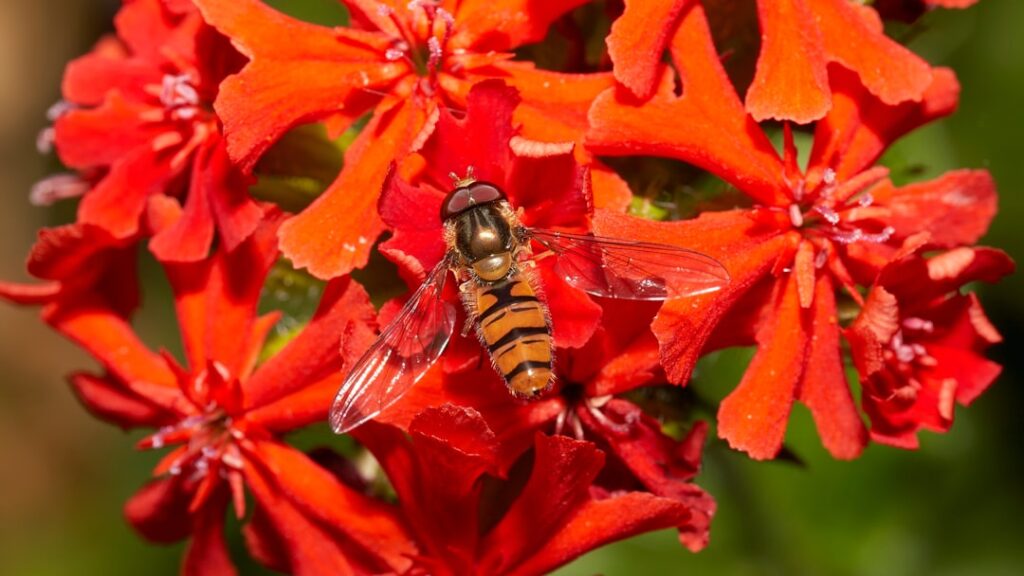
As winter subsides, Norway experiences the transition to spring. The landscape undergoes significant changes, with snow-covered mountains gradually revealing emerging vegetation and seasonal wildflowers. The warming temperatures support the return of migratory bird species to the region’s forests.
This seasonal change affects both the local population and tourists visiting the country. Spring’s arrival marks a period of environmental renewal as ecosystems become increasingly active. In Norway, spring coincides with longer daylight hours and rising temperatures, encouraging increased outdoor activities.
The country’s diverse geography, from coastal fjords to inland forests, displays seasonal variations in flora and fauna. Oslo’s parks feature ornamental cherry trees that bloom during this period, whilst the mountainous regions provide elevated viewpoints across the changing landscape. The seasonal transition typically prompts greater participation in outdoor recreation and nature-based tourism activities throughout the country.
Secure your spot: Register for Norwegian spring courses in Oslo.
Summary
- Spring in Norway offers stunning natural beauty and longer daylight hours.
- Outdoor learning opportunities increase with cultural festivals and nature exploration.
- Springtime traditions include unique foods and seasonal vocabulary practice.
- Immersing in nature and wildlife enhances language learning experiences.
- Seasonal discounts and events provide great chances to engage with Norwegian culture.
Opportunities for Outdoor Learning
Spring in Norway presents a unique opportunity for outdoor learning, where language acquisition can seamlessly blend with nature exploration. The mild weather and longer days create an ideal environment for students to engage in immersive experiences that enhance their understanding of the Norwegian language and culture. Outdoor classrooms can be found in parks, along hiking trails, and even by the fjords, where learners can practice their language skills while surrounded by breathtaking scenery.
This hands-on approach not only reinforces vocabulary but also fosters a deeper connection to the language as it is intertwined with the beauty of the Norwegian landscape. Moreover, outdoor learning encourages collaboration and interaction among students. Group activities such as guided hikes or picnics provide ample opportunities for conversation and language practice in a relaxed setting.
As students navigate their surroundings, they can discuss flora and fauna, share stories about their experiences, and engage in cultural exchanges that enrich their understanding of Norway. This dynamic learning environment cultivates confidence in speaking and listening skills while allowing students to appreciate the natural world around them.
Cultural Festivals and Events
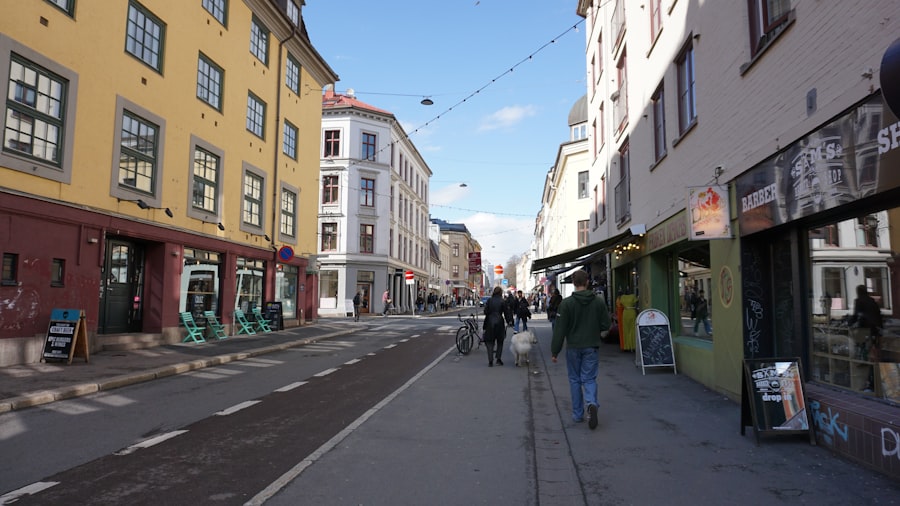
Springtime in Norway is synonymous with vibrant cultural festivals and events that celebrate the rich heritage of the nation. From traditional folk music to contemporary art exhibitions, there is no shortage of opportunities to immerse oneself in Norwegian culture during this season. One of the most anticipated events is the celebration of Constitution Day on May 17th, where Norwegians don their finest national costumes and partake in parades filled with music, dancing, and joyous festivities.
This day not only commemorates Norway’s independence but also serves as a platform for language learners to engage with locals and practice their skills in a lively atmosphere. In addition to Constitution Day, various regional festivals showcase local traditions and customs throughout spring. These events often feature food stalls, craft markets, and performances that highlight the diversity of Norwegian culture.
For language learners, attending these festivals provides an invaluable opportunity to hear the language spoken in authentic contexts while interacting with native speakers. Engaging in conversations about art, music, and culinary delights allows students to expand their vocabulary and gain insights into the cultural nuances that shape Norwegian society.
Longer Days for Language Practice
As spring unfolds in Norway, the days grow longer, offering an abundance of daylight for language practice. The extended hours of sunlight create an inviting atmosphere for outdoor activities, making it easier for students to engage with their surroundings while honing their language skills. Whether it’s participating in community events or simply enjoying a leisurely walk in the park, learners can seize every opportunity to converse with locals and immerse themselves in the language.
The longer days also encourage social interactions that are essential for language development. Cafés and public spaces become bustling hubs where people gather to share stories and experiences. Language learners can take advantage of these vibrant environments by striking up conversations with native speakers or joining language exchange groups.
The relaxed ambiance of spring fosters a sense of camaraderie among individuals eager to connect, making it an ideal time for learners to practice speaking without the pressure often associated with formal settings.
Springtime Foods and Traditions
| Metric | Details | Benefit for Learning Norwegian in Spring |
|---|---|---|
| Average Daylight Hours | Approximately 13-16 hours | More daylight improves mood and energy, enhancing learning capacity |
| Average Temperature | 5°C to 15°C | Comfortable weather encourages outdoor language practice and cultural immersion |
| Course Availability | High – many new courses start in spring | Greater choice of classes and schedules to fit learners’ needs |
| Student Engagement | Increased by 20% compared to winter | Spring enthusiasm boosts motivation and retention of language skills |
| Cultural Events | Numerous festivals and public holidays (e.g., Constitution Day) | Opportunities to practice Norwegian in real-life social settings |
| Outdoor Activities | More frequent and accessible | Facilitates conversational practice in natural environments |
Spring in Norway heralds a delightful array of seasonal foods and culinary traditions that reflect the country’s agricultural heritage. As fresh produce becomes available, markets brim with vibrant vegetables, herbs, and fruits that inspire traditional dishes. One such delicacy is “rømmegrøt,” a creamy porridge made from sour cream that is often enjoyed during spring celebrations.
This dish not only tantalises the taste buds but also serves as a gateway for language learners to explore culinary vocabulary and engage in conversations about Norwegian cuisine. In addition to traditional dishes, springtime also brings forth various food festivals that celebrate local produce and culinary craftsmanship. These events provide an excellent opportunity for language learners to immerse themselves in the gastronomic culture of Norway while practising their language skills.
Engaging with local chefs and vendors allows students to learn about ingredients, cooking techniques, and regional specialties—all while expanding their vocabulary related to food and dining.
Immersion in Nature
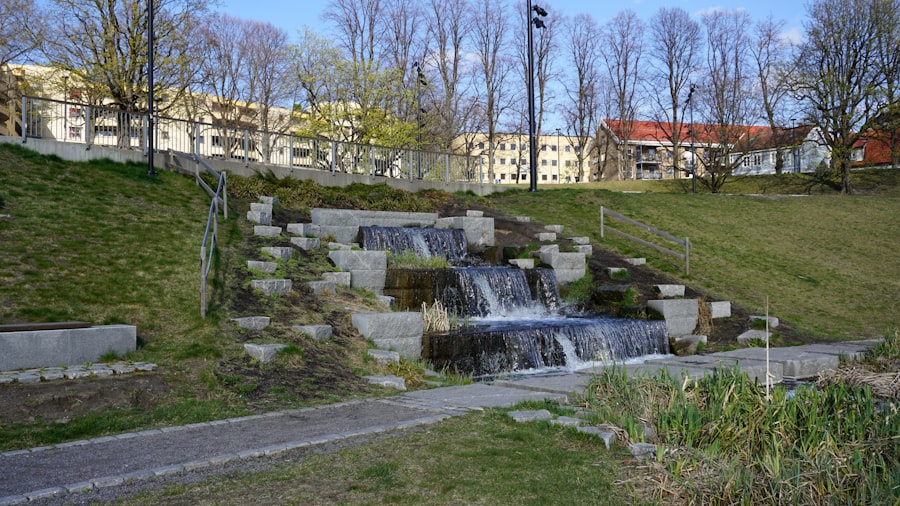
The arrival of spring invites individuals to immerse themselves in Norway’s stunning natural landscapes. From majestic fjords to serene lakes and lush forests, the country offers countless opportunities for exploration and adventure. For language learners, spending time in nature not only provides a refreshing escape from urban life but also serves as an ideal backdrop for practising language skills.
Guided nature walks or outdoor workshops can facilitate conversations about flora and fauna while allowing students to connect with their surroundings on a deeper level. Moreover, immersion in nature fosters mindfulness and reflection—qualities that are essential for effective language learning. As students engage with the beauty of their environment, they can take time to contemplate their progress and set new goals for their language journey.
Whether it’s journaling about their experiences or discussing their observations with fellow learners, being surrounded by nature encourages a holistic approach to language acquisition that goes beyond textbooks.
Spring Cleaning and Decluttering the Mind
Spring is often associated with renewal and rejuvenation, making it an opportune time for personal reflection and growth. In Norway, this season is traditionally marked by “vårpuss,” or spring cleaning—a practice that extends beyond physical spaces to encompass mental clarity as well. For language learners, decluttering the mind can lead to enhanced focus and motivation as they embark on their linguistic journey.
By setting aside distractions and creating a conducive learning environment, students can fully immerse themselves in their studies. This process of mental decluttering can also involve reassessing language goals and identifying areas for improvement. As learners reflect on their progress thus far, they can establish new objectives that align with their aspirations.
Whether it’s mastering specific vocabulary or engaging more confidently in conversations, taking time for self-evaluation allows students to approach their language learning with renewed enthusiasm.
Springtime Vocabulary and Phrases
With the arrival of spring comes an abundance of new vocabulary and phrases that encapsulate the essence of the season. Language learners have a unique opportunity to expand their lexicon by exploring words related to nature, celebrations, and cultural practices associated with springtime in Norway. Terms such as “blomster” (flowers), “sol” (sun), and “vår” (spring) become integral parts of everyday conversations as students engage with their surroundings.
Additionally, learning idiomatic expressions that reflect the spirit of spring can enhance fluency and comprehension. Phrases like “å se lyset i enden av tunnelen” (to see the light at the end of the tunnel) resonate with themes of hope and renewal that characterise this season. By incorporating these expressions into their speech, learners can communicate more authentically while deepening their understanding of Norwegian culture.
Welcoming the New Season with Language Learning
As spring unfolds its vibrant tapestry across Norway, it serves as a reminder of the importance of embracing new beginnings—both in nature and in language learning. The season encourages individuals to step outside their comfort zones and explore new horizons while cultivating a sense of curiosity about the world around them. For language learners, this means actively seeking opportunities to practise speaking, listening, reading, and writing in Norwegian.
Welcoming spring with open arms also involves setting intentions for personal growth within one’s language journey. Whether it’s committing to daily practice or participating in community events, embracing this season as a catalyst for change can lead to significant progress over time. By aligning their goals with the spirit of renewal that characterises spring, learners can foster a positive mindset that propels them forward on their linguistic path.
Exploring Norwegian Wildlife and Nature
Springtime offers an unparalleled opportunity to explore Norway’s diverse wildlife as animals emerge from hibernation and migratory birds return from warmer climates. Nature enthusiasts can embark on excursions to observe reindeer grazing on fresh grass or witness puffins nesting along coastal cliffs. For language learners, these experiences provide rich contexts for practising vocabulary related to animals and ecosystems while deepening their appreciation for Norway’s natural heritage.
Engaging with wildlife also opens avenues for discussions about conservation efforts and environmental stewardship—topics that resonate deeply within Norwegian culture. Language learners can participate in guided tours or volunteer opportunities focused on wildlife preservation while honing their communication skills through meaningful interactions with local experts. This immersive approach not only enhances linguistic proficiency but also fosters a sense of responsibility towards protecting Norway’s unique ecosystems.
Taking Advantage of Springtime Discounts and Offers
As spring breathes new life into Norway’s economy, many businesses offer enticing discounts and promotions that cater to both locals and visitors alike. Language learners can take advantage of these seasonal offers to explore cultural attractions, participate in workshops, or indulge in culinary experiences—all while practising their Norwegian skills in real-world settings. From discounted museum admissions to special rates on guided tours, springtime presents an excellent opportunity for learners to enrich their understanding of Norwegian culture without breaking the bank.
Moreover, many educational institutions—including language schools—often introduce special spring courses designed to accommodate varying skill levels and schedules. These tailored programmes provide an ideal platform for learners to immerse themselves fully in the language while enjoying the benefits of flexible course structures that align with individual needs. By seizing these opportunities during springtime, students can accelerate their language acquisition journey while embracing all that this vibrant season has to offer.
In conclusion, spring in Norway is a season brimming with beauty, cultural richness, and opportunities for personal growth through language learning. From outdoor adventures to engaging festivals, every aspect of this vibrant time invites individuals to connect more deeply with both nature and culture while honing their linguistic skills. As students embrace this transformative season, they are reminded that learning a new language is not merely an academic pursuit but a journey filled with exploration, connection, and discovery.