

Norwegian culture contains numerous idiomatic expressions that demonstrate the nation’s distinctive connection with nature, particularly regarding the sun and summer months. Due to Norway’s extended, dark winter periods, summer’s arrival represents a significant seasonal transition, which is clearly reflected in the language. Sun and summer-related idioms convey both literal meanings and encompass emotions, experiences, and cultural subtleties that hold particular significance for Norwegian society.
Examining these idioms offers valuable insight into the principles and attitudes that influence Norwegian life, especially the positive associations with sunlight and warmth. Idioms centred on the sun and summer frequently express concepts of happiness, liberation, and energy. They function as reminders of summer’s transient nature, promoting appreciation of life and precious moments of contentment.
Through analysis of these expressions, one can examine their definitions, etymologies, and usage contexts. Each idiom provides perspective on the Norwegian mindset, illustrating how language reflects a society’s environmental relationship and the sentiments connected to seasonal transitions.
Summary
- Norwegian idioms about sun and summer reflect cultural attitudes towards warmth, happiness, and positivity.
- Phrases like “Å sitte i solen” and “Å gå på solsiden” metaphorically express enjoying good fortune or a positive situation.
- Idioms such as “Sommerfugler i magen” capture universal feelings, like nervous excitement, using summer imagery.
- Expressions like “Å være solbrent” and “Å ha solen i ryggen” combine literal and figurative meanings related to the sun.
- Understanding these idioms enriches language learning and offers insight into Norwegian culture and mindset.
“Å sitte i solen” – To sit in the sun
The phrase “å sitte i solen,” which translates to “to sit in the sun,” is a simple yet evocative expression that captures the essence of relaxation and contentment. This idiom is often used to describe a leisurely moment spent outdoors, basking in the warmth of the sun. It conjures images of people lounging on a terrace or in a park, enjoying a good book or simply soaking up the rays.
In Norway, where sunny days are cherished after long winters, this expression embodies a sense of peace and happiness. Moreover, “å sitte i solen” can also carry metaphorical connotations. It may refer to moments of tranquillity in life when one feels at ease and free from worries.
Just as one seeks out a sunny spot to relax, individuals often seek out moments of joy and serenity amidst life’s challenges. This idiom serves as a reminder to take time for oneself, to pause and appreciate the beauty around us, much like one would do on a warm summer day. Secure your spot: Enroll in our Norwegian summer courses in Oslo today!
“Sommerfugler i magen” – Butterflies in the stomach
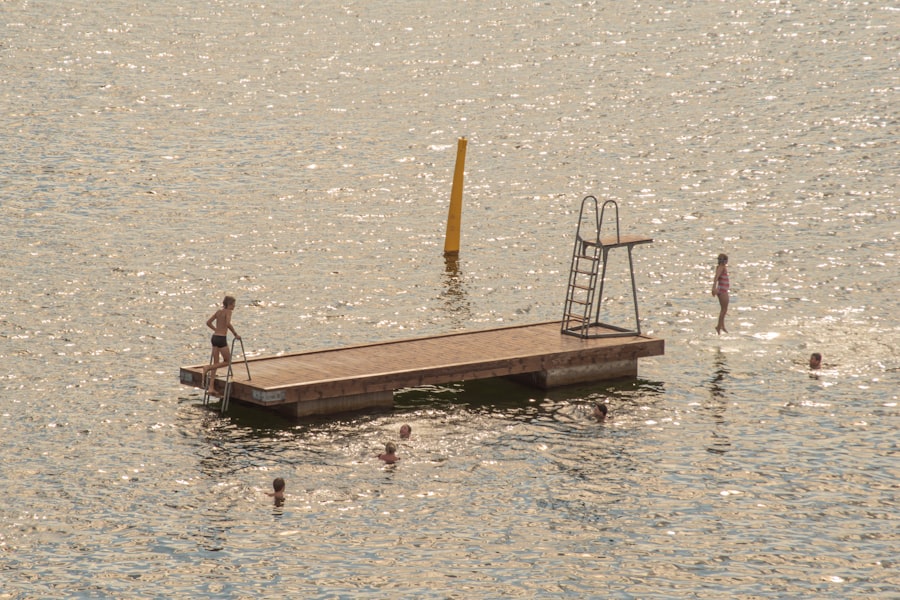
The idiom “sommerfugler i magen,” which translates to “butterflies in the stomach,” is a delightful expression that captures the fluttery feeling of excitement or nervousness. While it may not directly reference summer or the sun, it is often associated with the feelings that arise during this vibrant season—be it anticipation for a summer romance or the thrill of embarking on new adventures. The imagery of butterflies evokes a sense of lightness and joy, perfectly aligning with the spirit of summer.
In Norwegian culture, this idiom is frequently used in contexts where emotions run high, such as before a first date or during significant life events. It encapsulates that exhilarating mix of anxiety and excitement that often accompanies new experiences. The phrase serves as a reminder that such feelings are natural and can lead to beautiful outcomes, much like the blossoming flowers and lively activities that characterise the summer months.
“Å gå på solsiden” – To walk on the sunny side
“Å gå på solsiden,” meaning “to walk on the sunny side,” is an idiom that embodies optimism and positivity. It suggests an approach to life that focuses on the bright side of situations, encouraging individuals to seek out joy even in challenging circumstances. This expression resonates deeply within Norwegian culture, where the long winter months can sometimes lead to feelings of gloom.
By choosing to “walk on the sunny side,” one embraces a mindset that prioritises happiness and gratitude. This idiom can also be interpreted as a call to surround oneself with positivity and uplifting influences. Just as one would prefer to walk in sunlight rather than shade, individuals are encouraged to seek out relationships and experiences that bring warmth and joy into their lives.
In this way, “å gå på solsiden” serves as both an encouragement to maintain an optimistic outlook and a reminder of the importance of nurturing positive connections with others.
“Å ha solen i ryggen” – To have the sun at your back
| Idiom | Literal Translation | Meaning | Usage Example |
|---|---|---|---|
| Å ha sommerfugler i magen | To have butterflies in the stomach | To feel nervous or excited | Jeg hadde sommerfugler i magen før eksamen. |
| Sol i sinne | Sun in anger | To be very angry or upset | Han var sol i sinne etter møtet. |
| Sommerfugl i magen | Butterfly in the stomach | Feeling of nervous excitement | Hun fikk sommerfugl i magen før daten. |
| Å gå i sommersol | To walk in summer sun | To enjoy life or good times | Etter eksamen gikk vi i sommersol hele dagen. |
| Solskinnshistorie | Sunshine story | A happy or positive story | Det var en ekte solskinnshistorie om suksess. |
The expression “å ha solen i ryggen,” which translates to “to have the sun at your back,” conveys a sense of support and encouragement. This idiom suggests that one is moving forward with confidence, bolstered by positive energy or external support. In many ways, it reflects the idea that when one has the sun at their back, they are propelled forward by warmth and light, making their journey easier and more enjoyable.
In practical terms, this idiom can be used in various contexts—be it personal achievements or professional endeavours. It signifies moments when individuals feel empowered and motivated to pursue their goals. The imagery of sunlight illuminating one’s path serves as a powerful metaphor for guidance and inspiration.
Thus, “å ha solen i ryggen” encourages individuals to embrace opportunities with confidence, knowing they have support behind them.
“Å være solgt på noe” – To be sold on something

“Å være solgt på noe,” meaning “to be sold on something,” is an idiom that expresses enthusiasm or strong conviction about an idea or proposal. This phrase captures the essence of being completely convinced or enamoured by something—be it a product, concept, or experience. In Norwegian culture, where community and shared experiences are valued, this idiom reflects how individuals can become passionate advocates for ideas that resonate with them.
The use of this expression often indicates a sense of excitement and commitment. When someone says they are “solgt” on an idea, it implies they have fully embraced it and are eager to share it with others. This idiom highlights the importance of genuine enthusiasm in fostering connections and inspiring others to join in on shared passions.
In this way, “å være solgt på noe” serves as a reminder of how powerful conviction can be in influencing those around us.
“Å være solbrent” – To be sunburnt
The phrase “å være solbrent,” which translates to “to be sunburnt,” is a straightforward expression that describes the physical consequences of overexposure to sunlight. While it may seem like a simple observation about sun safety, this idiom carries deeper implications about enjoying summer while also being mindful of one’s well-being. In Norway, where sunny days are often celebrated with outdoor activities, it serves as a reminder to balance enjoyment with caution.
Being “solbrent” can also metaphorically represent moments when one has overindulged or taken things too far—whether in terms of excitement or emotional investment. Just as one must take care not to get burnt by the sun, individuals are encouraged to maintain balance in their lives to avoid negative repercussions from excessive enthusiasm or stress. This idiom thus serves as both a cautionary tale about physical health and an allegory for emotional well-being.
“Å ha en solskinnshistorie” – To have a sunshine story
“Å ha en solskinnshistorie,” meaning “to have a sunshine story,” is an idiom that evokes feelings of joy and positivity associated with memorable experiences. This expression suggests that everyone has stories filled with happiness—moments that shine brightly in their memories like rays of sunshine on a clear day. In Norwegian culture, sharing such stories fosters connection and camaraderie among individuals.
These sunshine stories often revolve around cherished summer experiences—be it family gatherings, adventures with friends, or personal milestones celebrated under the warm sun. They serve as reminders of life’s joyful moments and encourage individuals to reflect on their own positive experiences. By sharing these stories, people can uplift one another and create bonds based on shared happiness, reinforcing the importance of community in Norwegian society.
“Å kaste solsikker etter noen” – To throw sunflowers at someone
The idiom “å kaste solsikker etter noen,” which translates to “to throw sunflowers at someone,” is an expression that conveys admiration or affection towards another person. Sunflowers are often associated with warmth, positivity, and cheerfulness; thus, this phrase suggests an act of kindness or appreciation directed at someone special. In Norwegian culture, where gestures of goodwill are valued, this idiom reflects how people express their feelings towards others.
This expression can be used in various contexts—whether celebrating someone’s achievements or simply showing appreciation for their presence in one’s life. The act of throwing sunflowers symbolises generosity and joy; it encourages individuals to express their feelings openly rather than keeping them hidden away. In this way, “å kaste solsikker etter noen” serves as an invitation to spread positivity and kindness within relationships.
“Å være solskinn og blå himmel” – To be sunshine and blue sky
The phrase “å være solskinn og blå himmel,” meaning “to be sunshine and blue sky,” encapsulates an ideal state of happiness and contentment. This idiom paints a vivid picture of perfect weather—a metaphor for feeling joyful and carefree. In Norwegian culture, where nature plays an integral role in daily life, this expression resonates deeply with individuals seeking moments of bliss amidst life’s complexities.
Being described as “solskinn og blå himmel” suggests that one brings light into others’ lives through their positivity and warmth. It reflects an individual’s ability to uplift those around them simply by being themselves. This idiom encourages people to embrace their inner sunshine—reminding them that their presence can have a profound impact on others’ well-being.
Conclusion and Importance of Understanding Norwegian Idioms about Sun and Summer
In conclusion, exploring Norwegian idioms related to sun and summer reveals much about the cultural values embedded within these expressions. Each idiom not only conveys literal meanings but also encapsulates emotions tied to joy, optimism, connection, and well-being. Understanding these phrases enriches our appreciation for language while providing insight into how Norwegians navigate their relationships with nature and each other.
As we embrace these idioms—whether through casual conversation or deeper reflection—we gain access to a world where language becomes a vessel for shared experiences and sentiments. The warmth associated with summer days serves as an enduring reminder of life’s fleeting beauty; thus, these expressions encourage us all to cherish moments spent under the sun while fostering connections rooted in positivity and kindness. Ultimately, delving into these idioms enhances our understanding not only of Norwegian culture but also of universal themes that resonate across borders—celebrating joy amidst life’s ever-changing seasons.