
Oslo, the capital of Norway, is frequently ranked as one of the most expensive cities globally. The cost of living can be quite steep for new arrivals, especially those unfamiliar with the high prices typical of Scandinavian urban centres. The main expenditures contributing to this reputation are housing, food and transport.
Rental costs vary considerably by district, with central locations demanding premium rates. A one-bedroom flat in central Oslo typically costs upwards of 15,000 NOK monthly, whilst properties in outlying areas tend to be more reasonably priced. Nevertheless, it is important to note that whilst living expenses are substantial, salaries are correspondingly high.
The average wage in Oslo is comparatively elevated when measured against many other cities, which helps to counterbalance the costs. Furthermore, numerous services, including healthcare and education, receive government subsidies, providing residents with essential support. Although dining in restaurants can be costly, food shopping can be affordable if one selects local produce and seasonal items.
Therefore, whilst Oslo’s living costs may initially appear prohibitive, careful financial planning can make them more sustainable.
Summary
- Oslo’s high cost of living requires careful budgeting and planning.
- Learning basic Norwegian aids daily communication and integration.
- Efficient public transport makes getting around the city straightforward.
- Embracing outdoor activities is key to enjoying Norway’s lifestyle.
- Building a social network helps with adapting to local culture and support.
Understanding the Norwegian Language
Norwegian is a fascinating language that reflects the rich history and culture of Norway. It is a North Germanic language, closely related to Danish and Swedish, and has two official written forms: Bokmål and Nynorsk. For newcomers to Oslo, learning Norwegian can be both a challenge and an opportunity.
While many Norwegians speak English fluently, especially in urban areas, mastering the local language can significantly enhance one’s experience and integration into society. The nuances of Norwegian grammar and pronunciation can be tricky for learners. However, with dedication and practice, it is possible to achieve a good level of proficiency.
Engaging with native speakers, participating in language exchange programmes, and enrolling in structured courses can all aid in this endeavour. At the NLS Norwegian Language School in Oslo, we offer interactive classes designed to help students build a solid foundation in the language. Our courses focus on essential grammar and conversational skills, enabling learners to speak confidently and understand daily interactions.
By immersing oneself in the language, newcomers can foster deeper connections with their surroundings and the people they meet. Enroll now at NLS Norwegian Language School: Your premier choice for Norwegian classes in Oslo.
Navigating the Public Transportation System
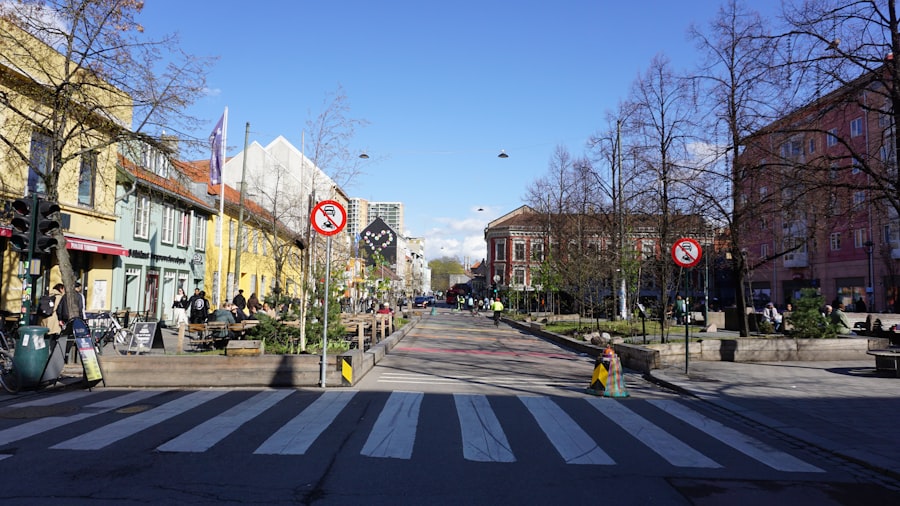
Oslo boasts an efficient and comprehensive public transportation system that makes getting around the city relatively straightforward. The network includes buses, trams, metro lines, and ferries, all of which are integrated under the Ruter brand. For newcomers, understanding how to navigate this system is crucial for both convenience and cost-effectiveness.
The public transport system operates on a zone-based fare system, meaning that prices vary depending on how far one travels. Purchasing an Oslo Pass can be an excellent option for those who plan to use public transport frequently. This pass not only covers unlimited travel on public transport but also grants access to various museums and attractions throughout the city.
Additionally, real-time information apps make it easy to plan journeys and stay updated on schedules. For those who prefer a more active mode of transport, cycling is also popular in Oslo, with dedicated bike lanes and rental services available throughout the city.
Embracing the Winter Weather
Winter in Oslo can be both beautiful and challenging. The city transforms into a winter wonderland with snow-covered landscapes and twinkling lights during the festive season. However, temperatures can drop significantly, often reaching below freezing.
For newcomers, adapting to this climate is essential for enjoying all that Oslo has to offer during the colder months. Dressing appropriately is key; layering clothing and investing in quality winter gear will make outdoor activities much more enjoyable. Despite the cold weather, Oslo offers a plethora of winter activities that allow residents to embrace the season fully.
From skiing and snowboarding at nearby resorts to ice skating on frozen lakes, there are numerous ways to stay active during winter. The city’s parks also provide opportunities for sledding and winter walks amidst stunning scenery. Embracing winter means not only adapting to the cold but also finding joy in the unique experiences that this season brings.
Finding Affordable Accommodation
| Aspect | Metric/Information | Details |
|---|---|---|
| Cost of Living | High | Oslo is one of the most expensive cities in Europe, especially for housing and dining out. |
| Weather | Cold & Dark Winters | Winter months have limited daylight, with temperatures often below freezing. |
| Public Transport | Efficient | Comprehensive network of buses, trams, and trains with reliable schedules. |
| Language | Norwegian (Bokmål) | English is widely spoken, but learning Norwegian is beneficial for integration. |
| Work-Life Balance | Excellent | Strong emphasis on balancing professional and personal life with generous holidays. |
| Outdoor Activities | Abundant | Access to forests, fjords, and ski resorts within short distance from the city. |
| Social Culture | Reserved | Norwegians can be reserved initially but are friendly once relationships are built. |
| Healthcare | High Quality | Public healthcare system is efficient and accessible to residents. |
| Housing Market | Competitive | Finding affordable housing can be challenging due to high demand. |
| Food & Groceries | Expensive | Groceries and eating out are costly compared to many other European cities. |
Finding affordable accommodation in Oslo can be a daunting task for newcomers. The demand for housing often exceeds supply, leading to inflated prices in many areas of the city. However, with some research and flexibility, it is possible to find suitable options that fit within a budget.
Many newcomers start their search online through various housing platforms or social media groups dedicated to rentals in Oslo. It is advisable to consider living slightly outside the city centre where rents tend to be lower while still maintaining good access to public transport. Areas such as Grünerløkka or Stovner may offer more affordable options without sacrificing too much convenience.
Additionally, sharing accommodation with others can significantly reduce costs while also providing an opportunity to meet new people and build a support network in the city.
Adapting to Norwegian Culture and Social Norms
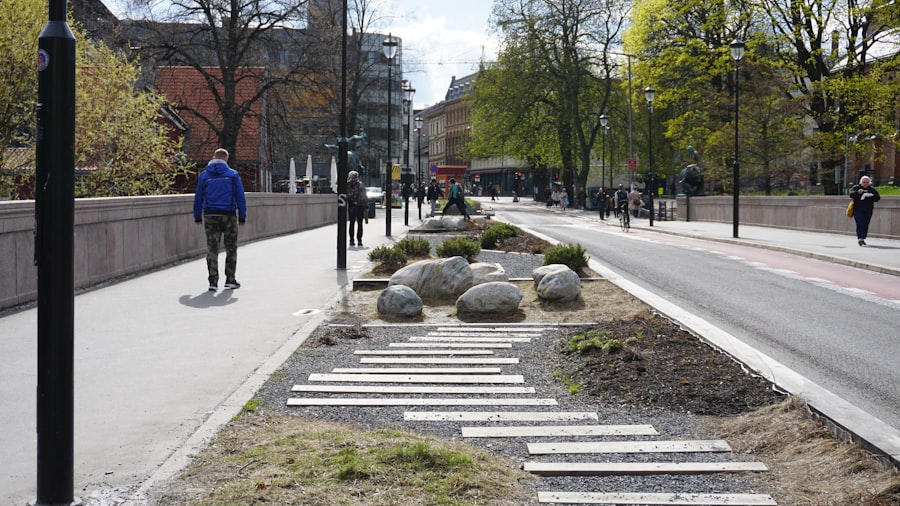
Norwegian culture is characterised by its emphasis on egalitarianism and respect for personal space. Understanding these social norms is crucial for newcomers looking to integrate into society successfully. Norwegians tend to value honesty and directness in communication; therefore, being straightforward is often appreciated rather than perceived as rude.
Additionally, punctuality is highly regarded; being late for social gatherings or meetings may be seen as disrespectful. Social interactions in Norway may initially feel reserved compared to other cultures; however, once relationships are established, Norwegians are warm and welcoming. Engaging in local traditions and customs can help newcomers feel more connected to their new home.
Participating in community events or joining clubs based on personal interests can facilitate social integration and foster friendships.
The Importance of Outdoor Activities
Norwegians have a deep-rooted appreciation for nature and outdoor activities, which play a significant role in their lifestyle. The country’s stunning landscapes provide ample opportunities for hiking, skiing, cycling, and other recreational pursuits throughout the year. For newcomers in Oslo, embracing outdoor activities can be an excellent way to connect with both nature and fellow residents.
The city’s proximity to forests and fjords makes it easy to escape into nature for a day trip or weekend adventure. Popular spots like Nordmarka offer extensive hiking trails during summer months and cross-country skiing routes in winter. Engaging in outdoor activities not only promotes physical well-being but also fosters a sense of community among those who share similar interests.
Accessing Healthcare and Social Services
Norway boasts a robust healthcare system that provides residents with access to high-quality medical services. Newcomers should familiarise themselves with how the system works to ensure they receive necessary care when needed. Upon registering as a resident in Norway, individuals are typically assigned a general practitioner (GP) who serves as their primary healthcare provider.
Healthcare services are funded through taxes; therefore, most consultations are either free or come at a minimal cost. It is essential for newcomers to understand their rights within this system and how to navigate it effectively. Additionally, social services are available for various needs ranging from childcare support to unemployment benefits, ensuring that residents have access to necessary resources during challenging times.
Learning about the Work-Life Balance
Norwegians are known for their strong emphasis on work-life balance, which is deeply ingrained in their culture. The standard workweek typically consists of 37-40 hours, with generous vacation allowances that often exceed four weeks per year. This focus on balance allows individuals to prioritise family time and personal interests alongside their professional commitments.
For newcomers entering the workforce in Oslo, understanding this cultural aspect is vital for adapting successfully. Employers often encourage employees to take breaks and utilise their vacation time fully; thus, it is common for individuals to disconnect from work during holidays or weekends. Embracing this philosophy can lead to improved well-being and satisfaction both personally and professionally.
Exploring the Local Cuisine and Food Culture
Norwegian cuisine reflects the country’s natural resources and cultural heritage. Traditional dishes often feature fresh seafood, game meats, root vegetables, and dairy products. For newcomers eager to explore local flavours, visiting markets or trying out traditional restaurants can provide insight into Norway’s culinary landscape.
Oslo’s food scene has evolved significantly over recent years, with an increasing number of restaurants offering innovative takes on traditional dishes as well as international cuisine options. Embracing local food culture not only enhances one’s culinary experience but also serves as an opportunity to connect with others through shared meals or cooking classes.
Making Connections and Building a Support Network
Building a support network is crucial for newcomers settling into life in Oslo. Establishing connections with fellow expatriates or locals can provide valuable insights into navigating daily life while also fostering friendships that enrich one’s experience in Norway. Joining clubs or organisations based on personal interests—such as sports teams or cultural groups—can facilitate these connections.
Social media platforms also play a significant role in helping newcomers find community events or meet-ups tailored for expatriates living in Oslo. Engaging with others who share similar experiences can alleviate feelings of isolation while providing practical advice on adapting to life in Norway. By actively seeking out opportunities for connection, newcomers can create a supportive network that enhances their overall experience in this vibrant city.
In conclusion, moving to Oslo presents both challenges and opportunities for newcomers seeking a new life in this beautiful city. From understanding the cost of living and navigating public transport to embracing local culture and building connections, each aspect contributes to a fulfilling experience in Norway’s capital. For those looking to master the Norwegian language amidst these transitions, our interactive courses at NLS Norwegian Language School offer an excellent starting point.
We help you build a solid foundation in Norwegian grammar while enabling you to speak confidently and understand daily conversations—essential skills for thriving in your new environment.